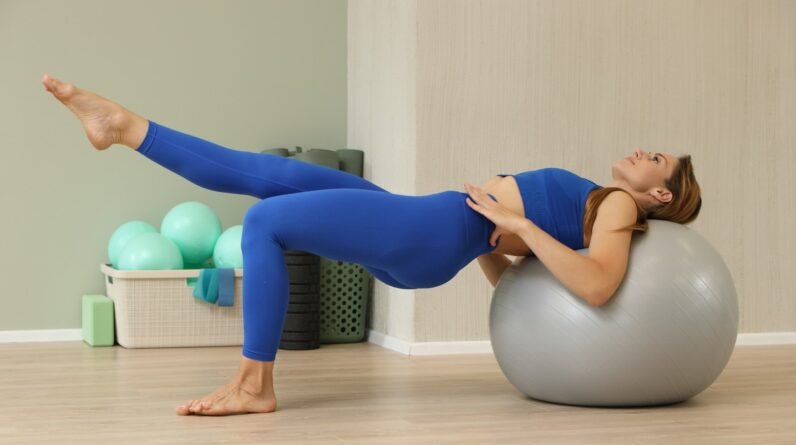

Calisthenics exercises use your own body weight to burn more calories and boost metabolism. Try these simple moves to lose weight.
For many people, the idea of losing weight instantly brings up images of gyms, heavy equipment, and complicated workout routines. But what if effective fat loss did not require any of that? That is where calisthenics comes in. Calisthenics is a form of exercise that uses your own body weight as resistance. From push-ups to squats, these movements activate several muscle groups at once, helping you burn calories efficiently.
Fitness expert Spoorthi S says this style of training does not just help you sweat during workouts but also keeps your metabolism active even when you are resting. It can also help enhance your strength as well as burn fat.
Why is calisthenics better for fat loss?
Unlike gym machines that isolate one muscle at a time, calisthenics exercises such as squats, lunges, and push-ups work several muscle groups together. Spoorthi S tells Health Shots that this full-body engagement leads to higher calorie burn in a shorter time. According to a study published in Isokinetics and Exercise Science, bodyweight exercises also improve posture, flexibility, and overall body composition.
How does bodyweight training boost metabolism?
One of the biggest benefits of calisthenics is its impact on metabolism. High-intensity bodyweight movements increase your resting metabolic rate, meaning your body continues to burn calories even after the workout ends. A study published in the Journal of Physiology, Nutrition and Physical Education found that full-body calisthenics helps tone muscles and supports higher daily energy expenditure. Spoorthi S explains that building lean muscle through bodyweight training turns your body into a more efficient calorie-burning system over time.
Can calisthenics really build muscle and strength?
Many people assume that muscle building requires heavy weights, but research suggests otherwise. A study in the Journal of Strength and Conditioning Research showed that progressive calisthenics training, such as push-ups, significantly improves muscle thickness and strength. Spoorthi S recommends increasing repetitions, slowing down movements, and reducing rest time to keep muscles challenged. Proper form is essential, as it maximises muscle activation while reducing the risk of injury.
Calisthenics exercises for weight loss
Here are some simple yet effective calisthenics exercises that can support weight loss:
1. Push-ups
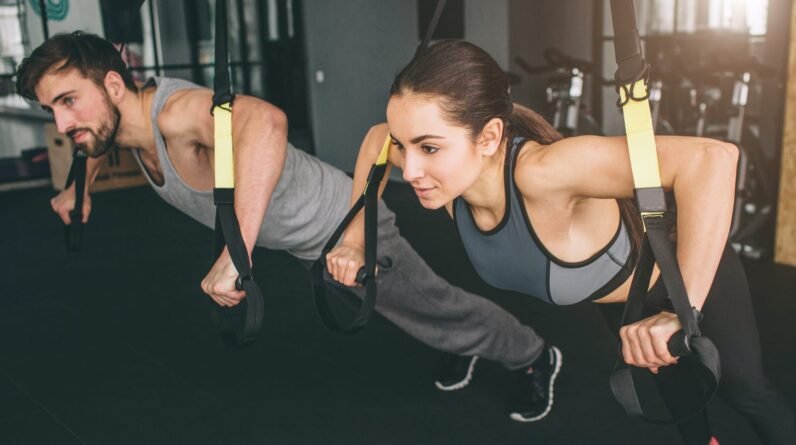
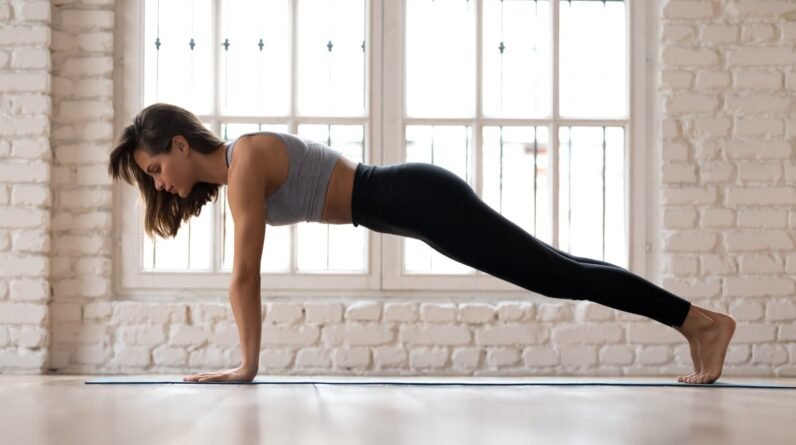
Start in a plank position with hands shoulder-width apart. Lower your chest close to the floor and push back up, keeping your body straight.
2. Pull-ups
Hang from a bar with hands shoulder-width apart. Pull your body up until your chin reaches the bar, then lower slowly.

3. Squats
Stand with feet shoulder-width apart. Push your hips back, bend your knees, lower down, then stand back up through your heels.
4. Lunges
Step one leg forward and lower your body until the front thigh is parallel to the floor. Push back to standing and switch sides to perform lunges.
Things to keep in mind before starting
While calisthenics is generally safe, poor form or overtraining can lead to muscle strains. A study in the Open Access Journal of Sports Medicine found that repetitive movements without proper recovery may cause lower-limb and lower-back injuries.
You may also like


Spoorthi S advises starting slow, focusing on technique, and allowing adequate rest between sessions.