
Yoga inversions do not have to be intimidating or advanced. Fitness expert explains how beginner-friendly inverted poses can improve blood circulation, immunity, and overall well-being.
Yoga has always been about balance between strength and flexibility, effort and ease, and body and mind. One powerful way to experience this balance is through yoga inversions. These are poses where your head comes below your heart, allowing gravity to work differently on your body. While the idea of being upside down can sound intimidating, inversions do not always mean headstands or advanced arm balances. In fact, many beginner-friendly yoga inversion poses are gentle, calming, and deeply restorative.
Yoga expert Fenil Purohit says even simple inversions can create noticeable shifts in body blood circulation, energy, and mental clarity. When practised mindfully, these poses can help beginners feel stronger, lighter, and more connected to their bodies, without pushing beyond comfort.
How Do Yoga Inversions Help the Body?
Yoga inversions help improve blood circulation and lymphatic drainage by allowing gravity to move blood from the lower body back toward the heart and brain. This process supports oxygen delivery, toxin removal, and immune function. Inversions also encourage better body awareness and calm the nervous system when practised correctly and consistently.
Why are yoga inversions good for blood circulation?
In our daily upright posture, blood often pools in the legs, especially after long hours of sitting or standing. Yoga inversion poses reverse this effect. According to Purohit, poses like downward-facing dog or legs-up-the-wall gently guide blood back toward the heart, improving venous return and reducing swelling in the legs.
Research published in the International Journal of Yoga (2011) suggests that inverted yoga postures may help lower resting heart rate and improve oxygen utilisation in the body. This improved circulation can support brain health, reduce fatigue, and promote a natural sense of freshness after practice.

Can yoga inversions improve mood and energy?
Yes, and there’s science behind it. Changing your body’s orientation can influence how your brain responds to stress. Inversion poses stimulate the nervous system in a controlled way, often leading to a calmer mental state.
A study published in Evidence-Based Complementary and Alternative Medicine (2012) found that regular yoga practice can help release mood-enhancing neurotransmitters like serotonin and dopamine. Even short holds in beginner inversions can leave people feeling more relaxed, focused, and emotionally balanced.
Which yoga inversion poses are safest for beginners?
You do not need advanced strength or flexibility to begin. According to Purohit, these beginner-friendly inversion poses offer benefits with minimal risk:
1. Downward-facing dog (Adho mukha svanasana): Improves blood circulation, stretches the spine, and builds shoulder strength.
2. Legs-up-the-wall (Viparita karani): One of the gentlest inversions, ideal for reducing leg swelling and calming the nervous system.
3. Standing forward bend (Uttanasana): Helps release tension in the back and neck while increasing blood flow to the head.
You may also like


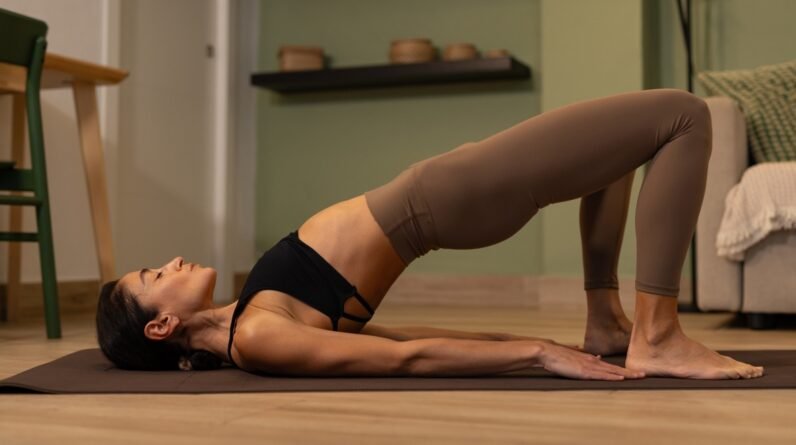
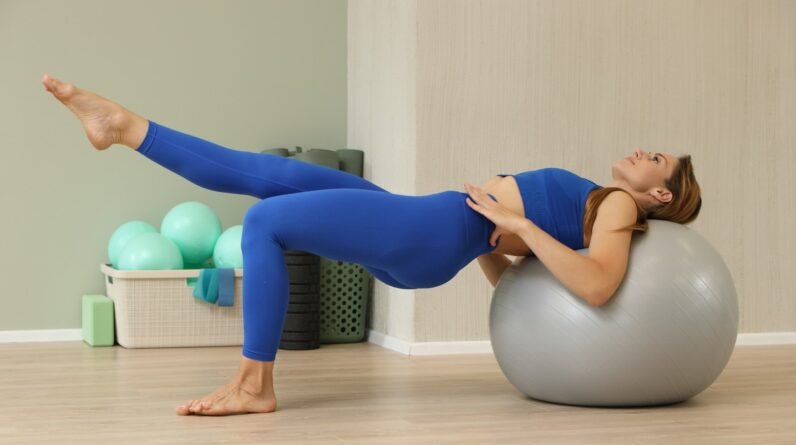
4. Bridge pose (Setu bandhasana): A mild inversion that strengthens the back and improves spinal flexibility.
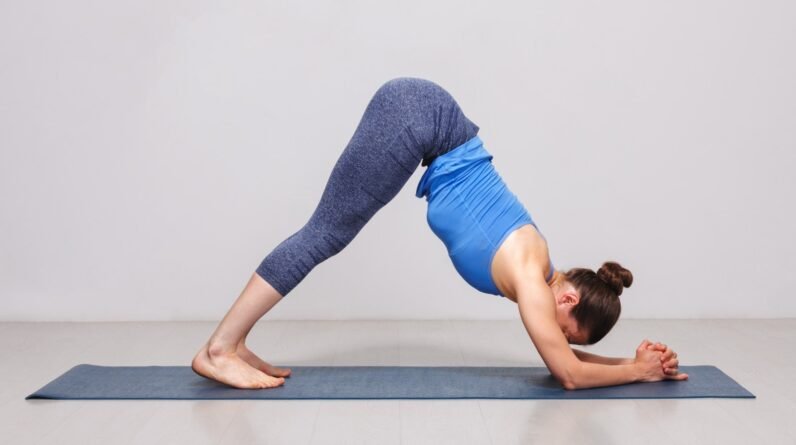
5. Dolphin pose (catur savanasana): Builds upper-body strength while preparing the body for deeper inversions.
Holding these poses for 5–10 slow breaths is enough for beginners.
Do yoga inversions help with flexibility?
Yoga inversions themselves do not magically increase flexibility, but they support it as part of a regular yoga routine. A 2023 study published in PLOS One found that practising yoga consistently for eight weeks significantly improved flexibility across age groups. Inversions complement this by decompressing the spine and allowing muscles to relax more deeply.
Who should avoid yoga inversion poses?
While beneficial, inversions are not for everyone. Purohit advises avoiding or modifying inversions if you have:
- High blood pressure or uncontrolled hypertension
- Glaucoma or eye pressure issues
- Neck, shoulder, or lower back injuries
- Pregnancy, especially poses that compress the abdomen
Purohit also recommends learning inversions under guidance if you are new, to ensure correct alignment and avoid strain.