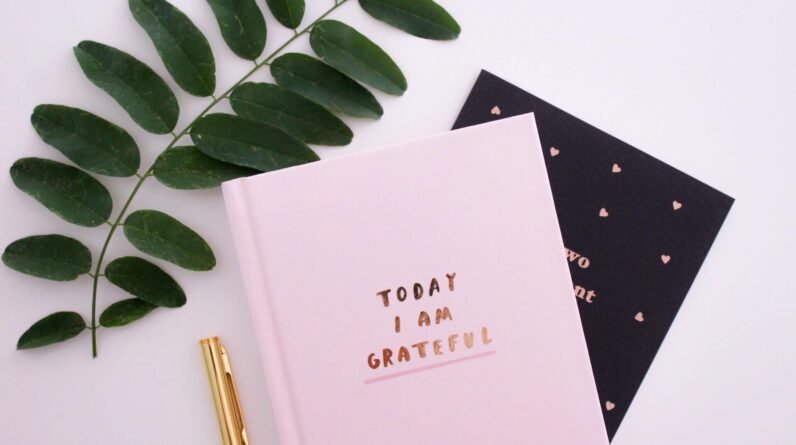


Girls today face many pressures that can affect how they see themselves. Social media, school stress, and peer relationships all play a role in shaping their confidence. Building strong self-esteem during these formative years helps girls develop into confident adults who believe in their worth.
This article shares seven practical activities that help girls build confidence through journaling, group exercises, creative projects, and daily habits. You’ll find hands-on ideas that work in classrooms, at home, or in group settings. These activities focus on helping girls recognize their strengths, practice positive self-talk, and set meaningful goals for their future.
1) Guided Journaling Prompts for Self-Worth
Writing in a journal gives you a safe space to explore your thoughts and feelings. You can work through self-doubt and discover what makes you special. Journaling helps you build confidence by letting you reflect on your strengths instead of focusing on what you think are weaknesses.
Start with simple questions that help you see your value. Ask yourself what you’re proud of today or what makes you a good friend. You can write about a time when you helped someone or solved a problem on your own.
Journal prompts designed for self-esteem go beyond just writing positive statements. They help you think deeply about who you are and what you bring to the world. This type of writing lets you recognize your worth based on real experiences.
Try prompts that challenge negative thoughts. When you catch yourself thinking something mean about yourself, write it down. Then write three reasons why that thought isn’t true or fair to you.
You don’t need fancy supplies to get started. A simple notebook and pen are all you need for self-esteem building activities that make a real difference. Writing for just five to ten minutes each day can help shift how you see yourself.
Prompts that focus on self-worth help you understand that your value doesn’t depend on what others think. You learn to recognize your own qualities and appreciate them. This builds a stronger sense of who you are from the inside out.
2) Compliment Circle Activity for Classrooms or Groups
The Compliment Circle is an interactive activity that helps girls build confidence through positive communication. You can set this up in any classroom or group setting where girls gather together.
To start, have everyone sit or stand in a circle where they can see and hear each other clearly. Each person takes a turn giving a sincere compliment to the person next to them. The compliments move around the circle until everyone has both given and received kind words.
You don’t need any special materials for this activity. All you need is your group and their creativity to think of thoughtful things to say to each other.
Before you begin, explain the difference between giving and receiving compliments. Many girls feel uncomfortable accepting praise, so practice helps them learn to say “thank you” gracefully. You can pass a soft object like a plush toy to the person being complimented to make it more interactive.
Model the first compliment yourself to show what a good one sounds like. Focus on specific qualities, actions, or efforts rather than just appearance. This creates a wave of positivity and encouraging words throughout your group.
The activity usually takes about 10 to 15 minutes to complete. This makes it perfect as a quick warm-up or cool-down activity during meetings or class time.
Active participation in a compliment circle benefits girls by enhancing their self-esteem and promoting emotional awareness. It also gives them a sense of belonging within their peer group. Girls learn to recognize positive qualities in themselves and others through regular practice.
This quick activity helps boost self-esteem like few other exercises can. The simple act of hearing kind words from peers makes a real difference in how girls view themselves.
3) Strengths Collage Art Project
A strengths collage helps girls see their positive qualities in a fun and creative way. This art-based SEL activity lets your daughter express herself while building confidence from the inside out.
The activity works by having girls collect images, words, and colors that represent their best traits. They might cut out pictures from magazines or print photos that show things they’re good at. Some girls include words like “kind,” “smart,” or “brave” that describe who they are.
Your daughter can arrange these pieces on poster board or cardstock to create her personal collage. She gets to choose how everything looks and fits together. This gives her full control over showing what makes her special.
Research shows that self-esteem often drops around age 8 when girls start comparing themselves to others. A confidence collage helps stop this pattern by making girls focus on their own strengths instead.
When girls name and see their strengths regularly, they develop stronger self-worth. The collage becomes a visual reminder they can look at whenever they need a boost. You can hang it in their bedroom or study space where they’ll see it often.
This project works well for girls ages 8 to 12 and takes about 30 to 45 minutes to complete. You only need basic supplies like magazines, scissors, glue, and poster board. The goal is to help students recognize their strengths through self-expression and creativity.
Some girls prefer drawing their own images instead of using magazine cutouts. Others like mixing both approaches together. Let your daughter choose what feels right for her creative style.
4) Role-Playing Assertiveness Scenarios
Role-playing gives girls a safe space to practice standing up for themselves before facing real situations. You can create scenarios where your daughter practices saying no to peer pressure or speaks up when someone treats her unfairly. This hands-on practice builds confidence through repetition.
Start with simple situations that your daughter might face at school or with friends. Ask her to practice responding when someone cuts in line or takes her belongings without asking. Role-playing provides a controlled environment where she can experiment with different responses without real consequences.
You can take turns playing different roles to help her see situations from multiple viewpoints. Let her play both the assertive person and the other person in the scenario. This helps her understand how assertive communication differs from being aggressive or passive.
Focus on teaching her to express her feelings clearly while respecting others. She should practice using “I” statements like “I feel upset when you interrupt me” instead of blaming others. Assertiveness means standing up for your rights without violating the rights of others.
Create scenarios based on real challenges your daughter faces. Maybe she struggles to speak up in group projects or has trouble saying no when friends ask her to do things she doesn’t want to do. The more relevant the practice, the more useful it becomes.
Give her positive feedback after each role-play session. Point out what she did well and offer gentle suggestions for improvement. This practice helps build self-esteem by showing her that she can handle difficult conversations.
Make the activities fun by switching up the scenarios regularly. You can even turn it into a game where she earns points for using confident body language and clear communication. The key is to keep her engaged while she develops these important skills.
5) Gratitude Jar with Weekly Sharing
A gratitude jar helps girls focus on positive moments in their daily lives. You’ll need a clean jar, colorful paper strips, and pens or markers. Decorate the jar together to make it special and personal.
Each day, your daughter writes down one thing she feels grateful for on a slip of paper. The note can be about anything from a fun moment with friends to a small victory at school. She folds the paper and drops it into the jar.
Creating a gratitude jar serves as a simple coping skill that helps kids focus on good things even during tough moments. The physical act of writing and placing notes in the jar makes gratitude feel more real.
Set aside time once a week for a sharing session. You can gather as a family or do this one-on-one with your daughter. Take turns pulling slips from the jar and reading them aloud.
This weekly routine creates meaningful conversations about what matters most. Your daughter gets to reflect on positive experiences she might have forgotten about during busy weeks. You’ll learn more about what brings joy to her life.
The gratitude jar activity helps cultivate a positive mindset through regular practice. Over time, girls become better at noticing good things as they happen. This skill builds confidence because they recognize their own strengths and accomplishments.
You can download free printable gratitude prompts if your daughter needs ideas to get started. These prompts make it easier for girls who aren’t sure what to write.
Keep the jar in a visible spot where your daughter will remember to use it. Some families place it on the kitchen counter or in a bedroom. The key is making it part of your regular routine so the habit sticks.
6) Mirror Affirmation Routine with Positive Statements
Mirror affirmations are a simple way to build confidence by looking at yourself and saying positive things out loud. You stand in front of a mirror and speak encouraging words directly to your reflection. This helps you connect with yourself in a real way.
The practice works because you make eye contact with yourself while saying uplifting statements. You might say things like “I am brave,” “I am enough,” or “My voice matters.” These short phrases remind you of your worth and abilities.
Start by choosing three to five affirmations that feel right for you. Pick statements that address areas where you want to grow stronger. You can focus on your inner qualities, your skills, or anything else that empowers you.
Practice your mirror routine every morning or evening. Stand in front of a mirror and look yourself in the eyes. Say each affirmation slowly and clearly, giving yourself time to really hear the words.
You can make affirmation cards to help remember your positive statements. Write your chosen phrases on index cards and decorate them however you like. Keep these cards near your mirror so you always have your affirmations ready.
At first, saying nice things to yourself might feel awkward or silly. That’s completely normal. Keep practicing even when it feels uncomfortable, and it will become more natural over time.
Try to notice how you feel before and after your mirror practice. Many girls find they feel more confident and ready to face their day. The more you repeat these positive statements, the more you start to believe them.
7) Goal-Setting Vision Board for Next Year
A vision board helps girls picture their dreams and set clear goals for the future. It’s a fun way to combine creativity with planning for what they want to achieve.
You can start by gathering magazines, printed images, stickers, and art supplies. Girls can also use digital vision board kits with over 600 printable elements that include words, images, and step-by-step guides.
The activity works by having girls think about what they want to accomplish in the next year. They might focus on school goals, friendships, hobbies, or personal growth. Then they find or create images and words that represent those dreams.
Girls can cut out pictures of things that inspire them and arrange them on a poster board or paper. They can add positive words, quotes, and affirmations that make them feel confident. The process of choosing what matters most helps them understand their own values and desires.
Creating vision boards for students encourages them to dream big and set intentions for their future. It gives them something visual to look at every day as a reminder of what they’re working toward. This keeps their goals fresh in their minds.
The creative process itself builds confidence. Girls get to express themselves and make choices about their own lives. There’s no right or wrong way to make a vision board, which takes pressure off and lets them enjoy the activity.
Once finished, they can hang their vision boards in their rooms where they’ll see them often. You can also have girls share their boards with each other if they feel comfortable. This creates opportunities for encouragement and support among peers.
Vision boards work well as goal-setting activities for self-esteem projects in classrooms, counseling sessions, or group settings. They help girls take ownership of their dreams and believe they can achieve them.
Understanding How Self-Esteem Develops
Self-esteem grows through daily interactions and feedback girls receive from the people around them. The words and actions of parents, teachers, friends, and family members shape how girls view their own worth and abilities.
The Role of Positive Reinforcement
Positive reinforcement means praising effort and progress instead of just final results. When you acknowledge your daughter’s hard work on a math problem, even if she didn’t get the right answer, you teach her that trying matters.
Specific praise works better than general comments. Instead of saying “good job,” try “I noticed how you kept working on that drawing until you got the shading just right.” This shows her exactly what she did well.
Consistent positive feedback helps girls build confidence over time. They learn to recognize their own strengths and feel proud of what they can do. Self-esteem activities and worksheets can help reinforce these positive messages at home.
You should focus on praising character traits like kindness, persistence, and creativity. These qualities stay with girls throughout their lives and matter more than temporary achievements.
Influences of Peers and Family
Family members provide the first mirror through which girls see themselves. Your reactions, tone of voice, and level of support tell your daughter whether she is valued and capable.
Friends and classmates become increasingly important as girls get older. Peer acceptance affects how girls feel about their appearance, interests, and social skills. Negative comments from friends can quickly damage self-esteem that took years to build.
Social comparison happens naturally when girls spend time with peers. They notice who gets picked first for teams, who wears trendy clothes, and who seems most popular. These observations shape their self-image.
Creating a supportive environment at home helps protect against negative peer influences. When girls feel secure and accepted by family, they handle peer pressure and criticism better.
Overcoming Common Barriers
Girls face mental roadblocks that can stop their confidence from growing. Learning to quiet negative thoughts and push through tough moments helps build lasting self-esteem.
Managing Negative Self-Talk
Negative self-talk happens when your inner voice criticizes you or puts you down. It might sound like “I’m not good enough” or “I always mess things up.” These thoughts feel real, but they’re often wrong.
You can challenge negative thoughts by asking if they’re actually true. When you catch yourself thinking something mean about yourself, write it down. Then write three facts that prove it wrong.
Speaking clearly and confidently about topics you care about helps replace negative thoughts with positive ones. Practice saying kind things to yourself in the mirror each morning. Replace “I can’t do this” with “I’m learning how to do this.”
Track your negative thoughts for one week. You’ll notice patterns and learn which situations trigger mean self-talk. Once you know your triggers, you can prepare better responses.
Building Resilience Through Challenges
Resilience means bouncing back when things don’t go your way. Every challenge you face is a chance to prove to yourself that you can handle hard things.
Start with small challenges that feel slightly uncomfortable. Try a new sport, talk to someone new at school, or raise your hand in class. Each small win builds your confidence for bigger challenges.
When you fail at something, ask yourself what you learned instead of focusing on what went wrong. Write down three things you gained from the experience. Failure teaches you more than success does.
Building confidence takes time, and each step matters. Create a list of hard things you’ve already overcome. Look at this list when you’re facing something new and scary.
Final Thoughts About Self-Esteem Building Activities
Building confidence in girls takes time and patience. You can’t expect results overnight, but small daily efforts add up to big changes.
The activities you choose should match your daughter’s interests and personality. Some girls love creative projects like journaling, while others prefer action-based tasks. Pay attention to what makes her light up.
Key points to remember:
- Make these activities a regular part of your routine
- Celebrate small wins along the way
- Let her lead when possible
- Keep the mood positive and pressure-free
You don’t need expensive materials or complicated plans. Many effective self-esteem building exercises use simple tools you already have at home.
Consistency matters more than perfection. Even 10 minutes a few times a week can make a real difference. Your daughter will benefit from your steady support and encouragement.
Watch for signs that her confidence is growing. She might speak up more in class, try new things, or handle setbacks better. These changes show the work is paying off.
Remember that self-esteem naturally goes up and down during the teen years. Social pressures and self-doubt are normal challenges. The activities and workshops that build inner confidence give girls tools they can use whenever they need them.
Your involvement makes these activities more powerful. When you participate alongside your daughter, you show her that self-worth matters at every age.