

Some exercises are great for building strength and stamina but not if you have knee pain. Here are 7 such exercises you should avoid and what to do instead.
Exercise is one of the best things you can do for your joints, muscles, and overall health, but when your knees hurt, not every movement is your friend. Knee pain is incredibly common, especially during the winter months when stiffness, inflammation, and old injuries tend to flare up. While some movements strengthen the legs and improve mobility, others can put unnecessary pressure on the knee joint, making pain worse. This is why choosing the right exercises and knowing which ones to avoid is crucial if you want to stay active without harming your knees.
Fitness expert Yash Aggarwal explains which popular exercises may actually do more harm than good when knee pain strikes.
Exercises you should avoid if you have knee pain
Here are 7 exercises that are best to build strength and stamina but can make knee pain worse and even increase the risk of injuries:
1. Jumping exercises
Jumping workouts like jump squats and burpees improve cardio health and leg strength. But if you already have knee pain, the high impact can irritate the cartilage and strain the ligaments. Aggarwal recommends replacing jumping workouts with low-impact options like brisk walking or cycling.
2. Deep squats
Deep squats build glutes, quads, and core strength. However, dropping too low increases pressure on the knee-cap and surrounding tendons. For people with knee discomfort, this movement may aggravate the joint or irritate existing injuries. Stick to half or partial squats instead, they offer strength benefits without the stress.
3. Deadlifts
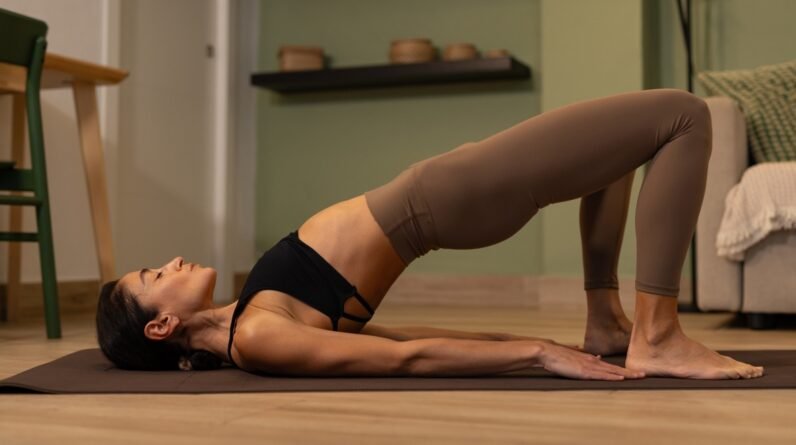
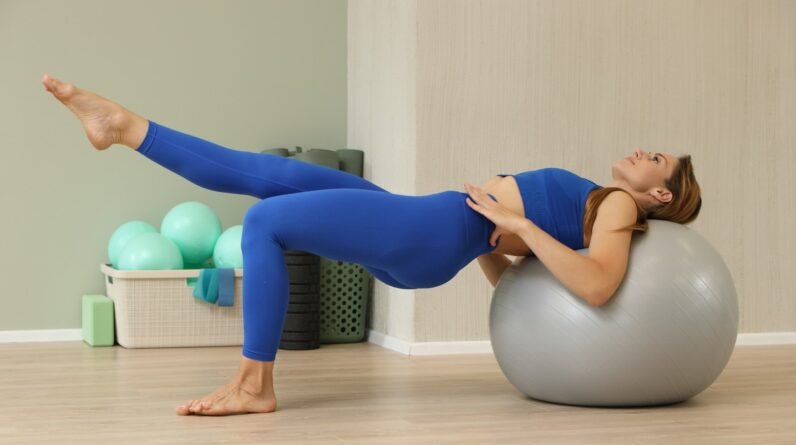
Deadlifts are great for the posterior chain and overall strength, but improper form or limited mobility may cause the knees to take unnecessary load. If your knee is already sensitive, deadlifts can worsen discomfort, especially when lifting heavy. Try hip hinges or glute bridges as safer alternatives.
4. Running
Running boosts endurance and heart health, but it is a high-impact exercise. Every stride sends a shock through the knees. For people with knee pain, this can increase swelling and accelerate stress on cartilage. Opt for walking, swimming or a light stretching workout until the knee feels stronger.

5. Lunges
Lunges strengthen the legs and improve balance, but they also demand knee stability. With knee pain, the forward motion and bending angle can irritate the joint and trigger discomfort. Aggarwal suggests step-ups or wall sits instead, which are gentler on the knees.
6. Leg extension machine
This machine targets the quadriceps, but the movement puts isolated tension on the knee-cap. The shear force created during the extension can worsen knee pain, forcing the knee to work harder than necessary. Choose compound movements like squats to build leg strength more safely.
7. Climbing stairs
Stair climbing builds endurance and lower-body strength. But if your knees hurt, the repetitive pressure of pushing your body upward can intensify the pain. Instead, go for flat-ground walking. It is a safer choice until the pain reduces.
You may also like


What causes knee pain, and why does it get worse in winter?
Knee pain can result from overuse, weak muscles, arthritis, old injuries, or excess pressure on the joints. When the supporting muscles around the knee, like the quadriceps and hamstrings, are weak, the joint absorbs more impact, leading to discomfort. In winter, knee pain often worsens because cold temperatures tighten muscles, reduce blood flow, and increase stiffness in the joints, according to a study published in BMC Musculoskeletal Disorders. For individuals with arthritis, low temperatures can also exacerbate inflammation and increase pain during movement. Reduced physical activity during colder months may further weaken the muscles, making the knee feel heavier and more sensitive.
If an exercise triggers discomfort, switch to knee-friendly movements and seek medical help to get rid of knee pain quickly!