

Not everyone becomes a parent.
Maybe it was a choice you made deliberately—one you feel confident about, even when others don’t quite understand. Or maybe life just didn’t unfold the way you imagined it would, and you’re still making peace with that.
Either way, you might find yourself wondering: What do I do with this part of me that wanted to nurture, guide, and give to someone younger?
Here’s the thing no one really talks about: You don’t have to be a parent to be a meaningful presence in a child’s life.
You don’t have to have kids of your own to leave a legacy, to mentor, to love fiercely, or to shape the next generation in ways that truly matter.
The desire to connect, to guide, to be there for someone—that doesn’t disappear just because your path looks different than you expected. It just finds new ways to show up.
So if you’ve ever felt a little lost in this space, or wondered how to channel that nurturing energy when traditional parenthood isn’t part of your story, you’re not alone.
In this article, we explore some of the beautiful, fulfilling ways you can still have that connection.
5 Ways to Find Connection Without Being a Parent
1. Become a Mentor
One of the most powerful ways to shape the next generation is through mentorship. You don’t need to be a parent to guide someone through life’s challenges—you just need to show up.
Formal mentorship programs exist in almost every field and community.
Organizations such as Big Brothers Big Sisters, SCORE (for aspiring entrepreneurs), Boys and Girls Clubs (I actually used to mentor here!), and local youth development programs are always looking for adults willing to invest time in young people. But mentorship doesn’t have to be official, either.
Sometimes it’s as simple as being the person a young coworker can turn to for advice, or offering to help a friend’s teenager navigate college applications. Or it could be helping your niece or nephew tackle what seems to be the biggest problem ever in their life currently (or simply helping them learn something new!).
The impact of having one supportive adult outside the home can be life-changing for a young person. That adult could be you!
That said, mentorship works best when it’s rooted in clear, healthy boundaries.
This isn’t about replacing a parent or stepping into a role that isn’t yours. It’s about offering guidance while respecting the young person’s autonomy, family structure, and emotional safety.
Transparency matters—especially when working with minors. Keeping communication appropriate, involving parents or guardians when relevant, and staying within the scope of your role helps ensure the relationship remains supportive and ethical.
Related Article: 8 Tips To Help You Succeed As An Entrepreneur
2. Be the “Bonus” Adult in a Child’s Life
You know that cool aunt, uncle, or family friend who always made you feel seen as a kid? The one who remembered your interests, took you on adventures, and treated you like your thoughts actually mattered?
You can be that person for someone else!
Whether it’s your nieces and nephews, your best friend’s kids, or the children of neighbors and colleagues, there’s real value in being a consistent, caring presence in a child’s life. You get to offer something parents sometimes can’t:
- a fresh perspective
- undivided attention
- the freedom to just enjoy them without the weight of daily discipline and logistics
Show up to their soccer games. Take them for ice cream. Ask them what they’re excited about. These moments matter more than you might realize.
3. Teach or Coach
If you have a skill, a passion, or knowledge to share, teaching is one of the most direct ways to invest in the future.
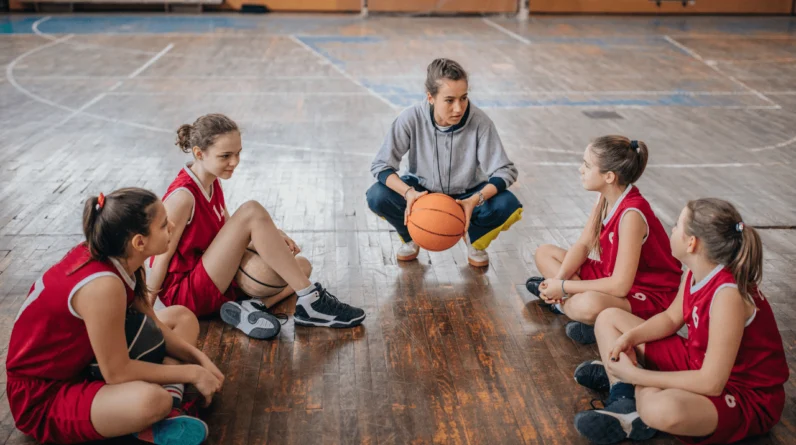
This could look like coaching a youth sports team, leading a community art class, teaching Sunday school, or tutoring kids who need extra support in school.
It might mean volunteering at a local library’s reading program or offering free workshops in something you’re good at—whether that’s coding, gardening, photography, or playing guitar.
When you teach, you’re not just passing on information. You’re showing young people what’s possible. You’re modeling patience, curiosity, and dedication. And often, the relationships you build along the way become just as meaningful as the skills you share.
4. Create Something That Outlasts You
Legacy doesn’t have to mean genetics. It can mean creation.
Write the book you’ve been thinking about for years. Build something with your hands. Start a scholarship fund. Plant a community garden. Record your family’s oral history so it isn’t lost. Create art, music, or stories that might inspire someone long after you’re gone.
Humans have always found meaning in leaving something behind—something that says, I was here, and it mattered. That instinct doesn’t require parenthood. It just requires intention.
Think about what you want to contribute to the world. What knowledge, beauty, or resources could you create or preserve for future generations? That’s legacy, too.
Related Article: Empowering Your Sensitive Child: Expert Tips for Nurturing Their Unique Gifts
5. Support Causes That Protect the Future
Sometimes the most powerful way to care for the next generation is to fight for the world they’ll inherit.
Advocating for climate action, supporting policies that protect children’s welfare, donating to education initiatives, or working toward social justice—these are all ways of nurturing the future on a larger scale.
You may never meet the young people whose lives are improved by your efforts, but your impact is no less real.
This kind of contribution allows you to channel that protective, caregiving energy into something bigger than any single household. You’re helping to build a better world for all children—not just the ones you might have raised.
Finding Your Own Path Forward
There’s no single right way to live a meaningful, connected life. Parenthood is one path—but it’s far from the only one.
If you’re navigating life without children, whether by choice or circumstance, know this: your capacity to love, to guide, and to give doesn’t disappear. It just gets redirected. And the world needs what you have to offer.
You can still shape the next generation. You can still build deep, lasting bonds. You can still leave behind something that matters. It might not look the way you once imagined—but that doesn’t make it any less beautiful.
Read Next: Child-Free By Choice: Releasing Shame Around Your Decision